




What types of hybrid and electric vehicles are there?
The Evolution of Mobility Brings New Technologies to Powertrains
The evolution of the automotive industry has introduced a range of new technologies in vehicle power systems. The gradual shift from internal combustion engines to fully electric vehicles has already begun—and Drive Hellas is keeping pace with this new trend, adapting accordingly!
Electric Vehicles – A Glimpse into the Future? Not Anymore!
Electric vehicles may sound futuristic, yet they are already a reality—and practically anyone can own one today. But what exactly are electric vehicles, and how are they categorized based on the technologies they use?
The Four Main Electric Vehicle Technologies
An electric vehicle uses electricity to move, but behind this outcome lies a complex process of storing—or even generating—the energy it needs.
Battery Electric Vehicles (BEV)
This category includes vehicles powered exclusively by electric energy stored in onboard batteries. These batteries are charged solely via the electric grid—either through a standard household outlet or a high-power fast charger.
Battery Electric Vehicles with Range Extender – EREV
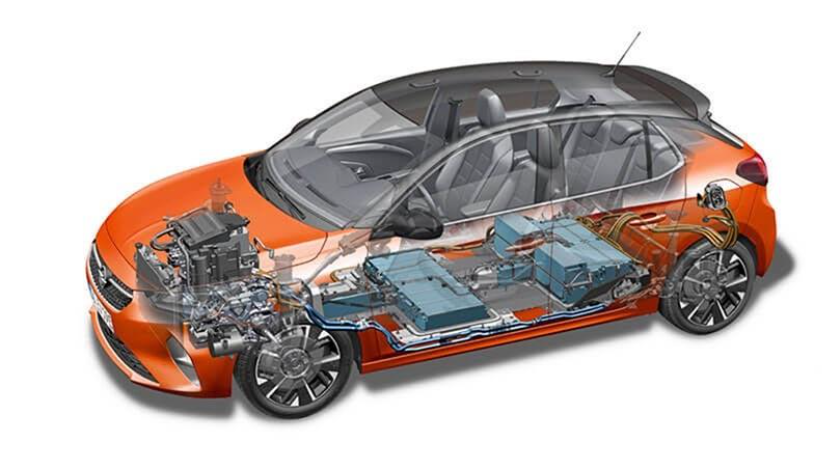
So-called Extended Range Electric Vehicles (EREV) are essentially battery-powered electric vehicles, but with an added feature: a small internal combustion engine (usually gasoline-powered) paired with an electric generator. This thermal engine does not directly drive the wheels—instead, it powers the generator, which produces electricity and stores it in the vehicle’s battery pack. In practice, the vehicle continues to run solely on its electric motor, but benefits from increased range thanks to the additional energy source.
Plug-in Hybrid Electric Vehicles – PHEV
Plug-in hybrids are currently among the most popular electrified vehicles and offer a balance between traditional hybrid and fully electric vehicles. They are equipped with batteries that allow them to run purely on electric power for a limited range or up to a certain speed (depending on the model and manufacturer).
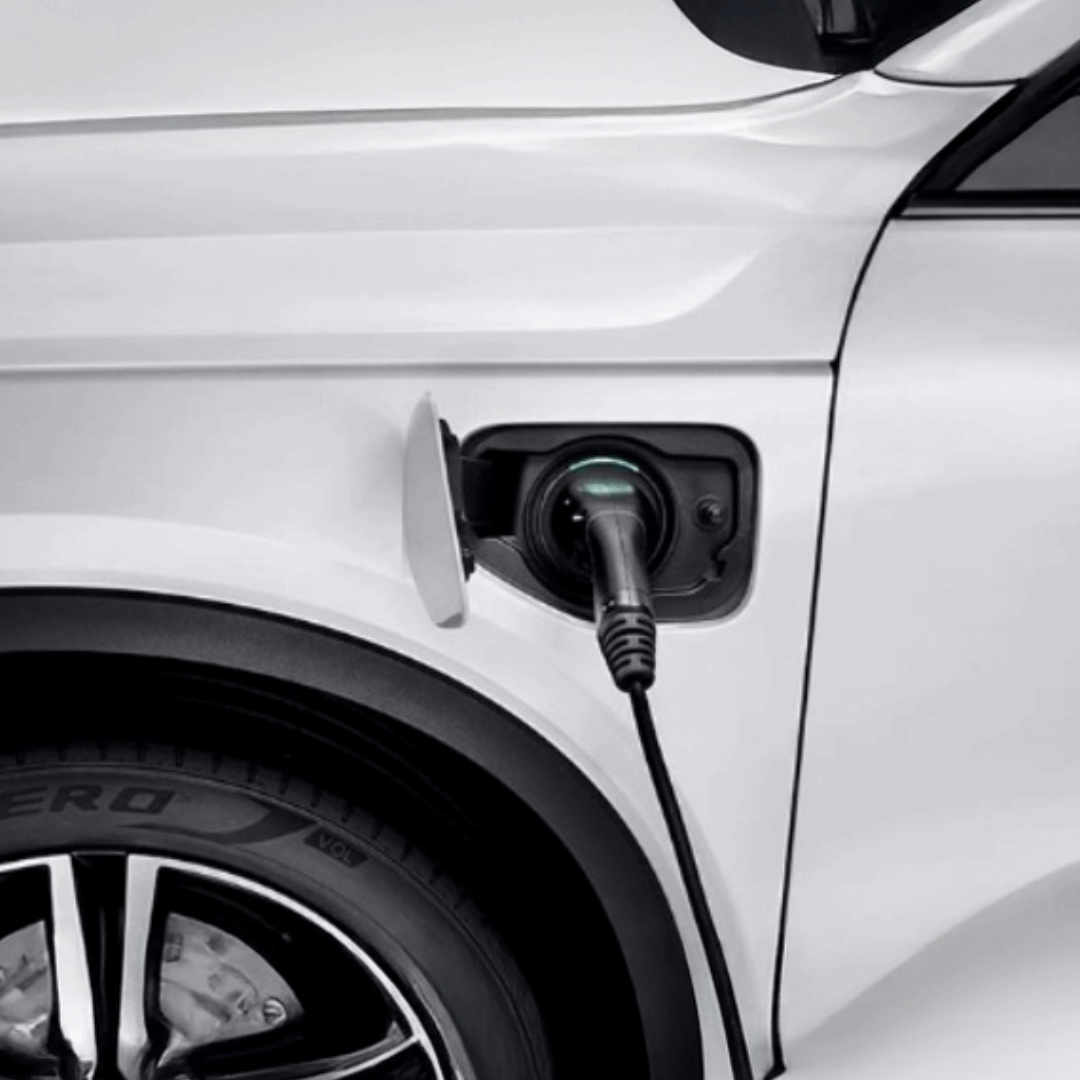
PHEVs can be charged via the electrical grid, just like BEVs, as they come with a charging port. What sets them apart is that they also include an internal combustion engine, which can either drive the vehicle on its own or work in combination with the electric motor—offering lower fuel consumption and reduced emissions.
Fuel Cell Electric Vehicles – FCEV
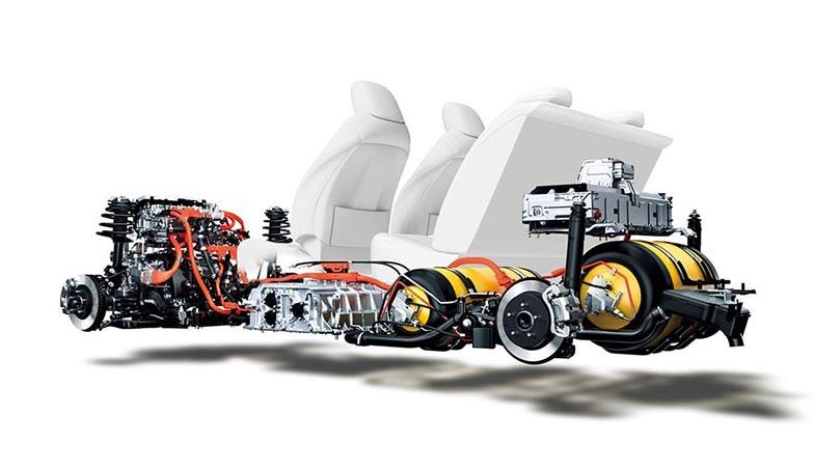
Fuel cell technology is the least widespread among electric drivetrains, primarily due to the limited availability of refueling stations. These vehicles are powered by electric motors, much like BEVs. However, the electricity is not drawn from a battery, but rather produced onboard by a fuel cell system that uses compressed hydrogen (stored in the vehicle) and oxygen from the air. The chemical reaction between the two generates electricity—and the only byproduct is clean water.
But What About Hybrid Vehicles?
The gradual shift toward electric mobility passes through an important intermediate stage: hybrid vehicles. The idea of hybrid vehicles is not new—after all, the first mass-produced hybrid car was released over 20 years ago. As a technology, hybrid vehicles are classified into three main categories, based on how they operate. However, the Ministry of Environment and Energy in Greece groups all of them under the term Hybrid Electric Vehicles (HEV).
All hybrid vehicles combine an internal combustion engine with one or more electric motors, powered by electricity stored in batteries.
How Do HEVs Work?
HEVs do not require external charging from the power grid. Instead, they recycle energy recovered during braking or while the vehicle is in motion (regenerative braking).
The electric motor assists the combustion engine during start-up and acceleration, reducing overall fuel consumption and emissions. Some HEV models can even operate purely on electric power for very short distances at low speeds—ideal, for example, for city centers.
Not All Hybrids Are the Same
Over time, more and more vehicles are being labeled as “hybrids.” However, many of these do not qualify as fully hybrid vehicles, but rather incorporate various mild hybrid technologies.
A key parameter used to define the level of hybridization is the Hybridization Factor. This is calculated as the ratio of the electric motor’s power (or motors) to the total system power (the combined output of the combustion engine and the electric motor(s)).
Based on this, hybrid vehicles are classified into three subcategories:
Micro Hybrid Vehicles
These vehicles feature automatic engine stop-start systems, which shut off the engine when the car is idle and restart it when needed. They are equipped with a small electric motor producing 4kW to 6kW of power and have an estimated hybridization factor of around 5%.
They offer fuel consumption improvements in the range of 5% to 7%.
Mild Hybrid Vehicles
In addition to stop-start functionality, Mild Hybrid vehicles also incorporate energy recovery technologies. They combine a traditional internal combustion engine (gasoline or diesel) with a starter-generator and a small-capacity battery.
The recovered energy powers one or more electric motors with a power output of 10kW to 15kW, which assist the engine during start-up or acceleration, thus reducing its workload.
Mild hybrids typically have a hybridization factor of around 10% and can deliver fuel savings of 12% to 18%.
Full Hybrid Vehicles
This category includes vehicles with the highest degree of hybridization, typically around 25%, offering fuel efficiency improvements of 20% to 25%.
Full hybrid models feature one or more electric motors producing between 30kW and 50kW, which not only assist the internal combustion engine but can also fully power the vehicle in electric-only (EV) mode—although with limited speed and range.
In full hybrids, the electric motor is prioritized for propulsion during low-speed driving and initial acceleration. As speed increases or more power is required, the combustion engine works in tandem with the electric motor to drive the wheels.
At higher speeds, such as on a highway, the vehicle runs exclusively on the combustion engine.